
Find ISL Products Online at 

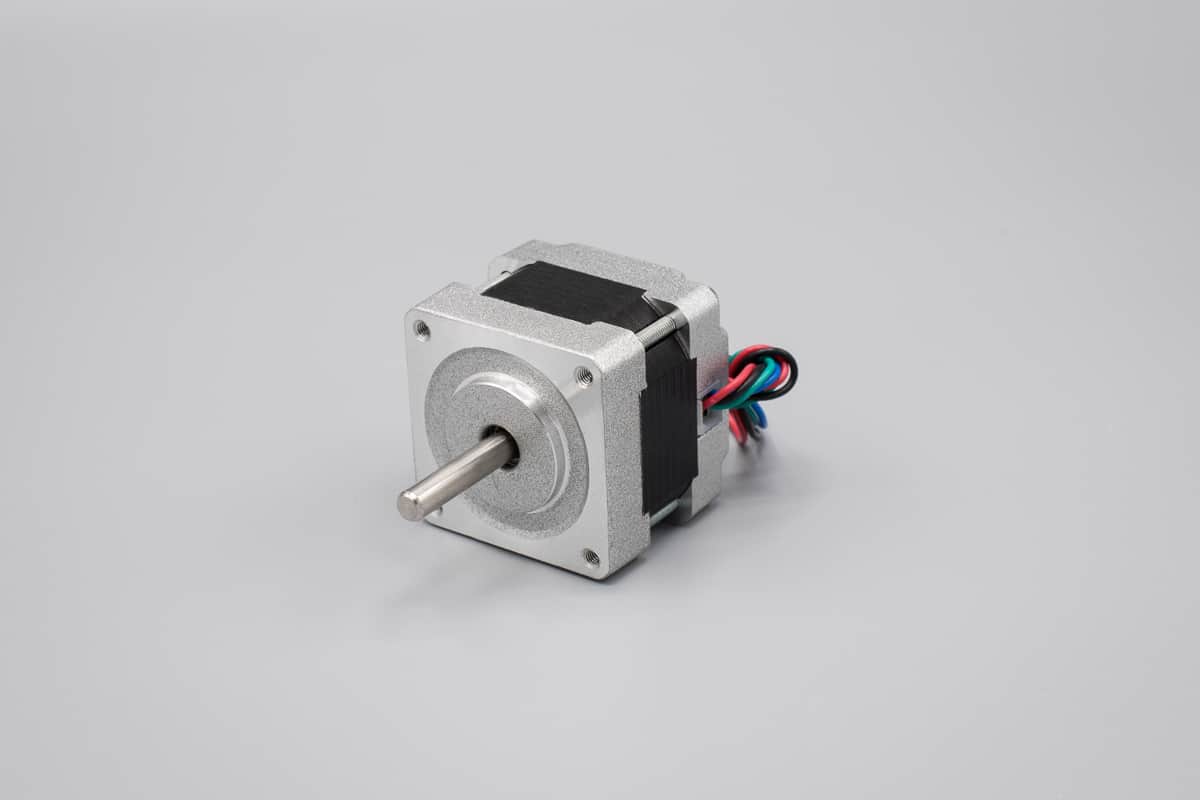
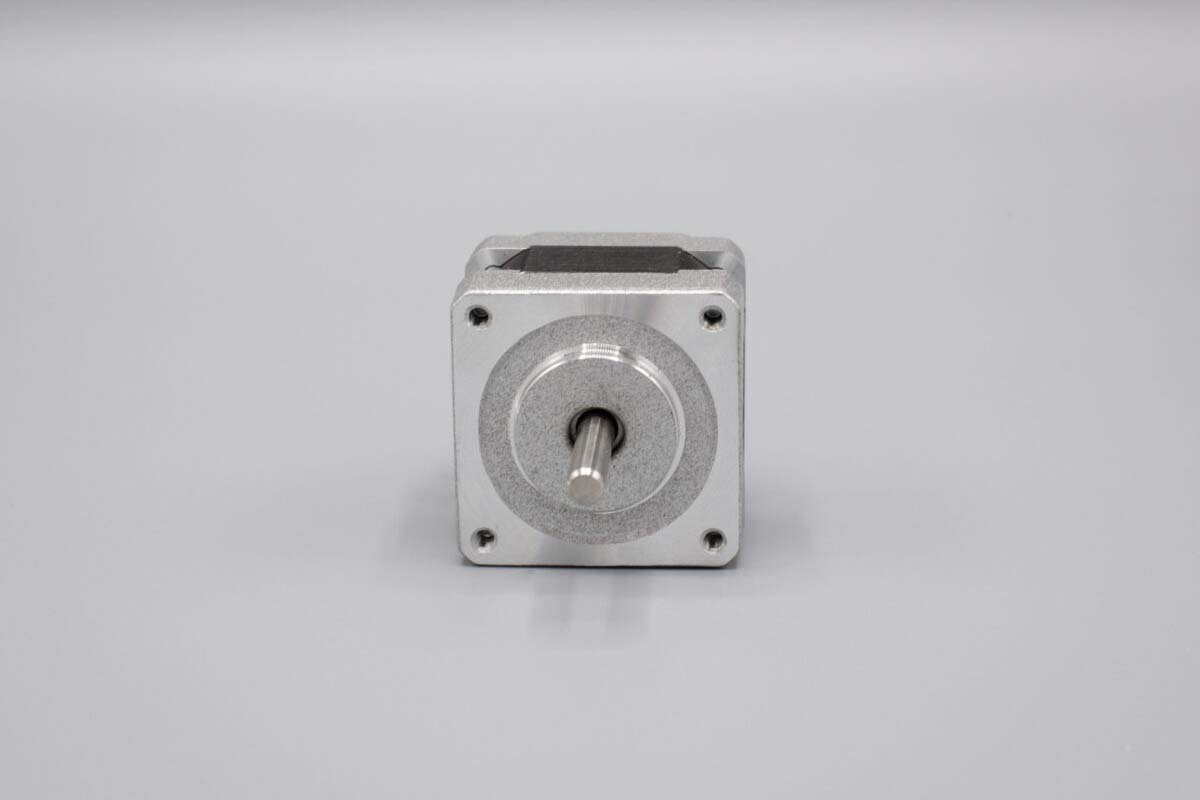
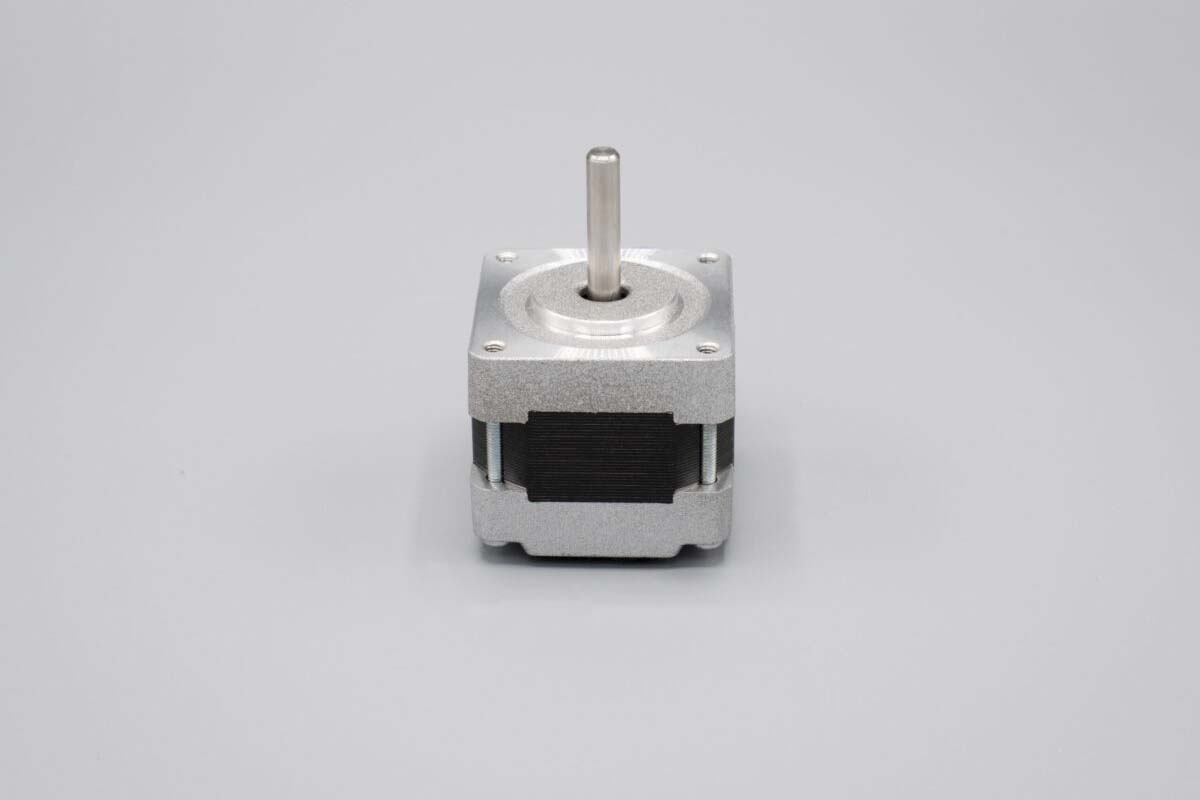
Nema 17 Stepper Motor for Automated Retail Vending Machines
This is an example of how ISL Products can take a standard Stepper Motor and tweak it to perform exactly how you need it to in your application.
Overview
ISL was introduced to a company who specialized in manufacturing state of the art Automated Retail Vending Machines. They needed a NEMA 17 stepper motor with an enough torque to dispense a wide variety of products. They were previously using an off-the-shelf vending machine motor that was jamming up due to insufficient torque while trying to dispense heavier items.
Challenge
ISL need to design a NEMA 17 stepper motor with more torque and still be able to fit into the given physical area. The customer requested that the ISL vending machine motor had a torque value of at least 5.8 kg-cm in order to dispense products with varying weights.
ISL was asked to deliver the goods directly to their manufacturing facility in Asia. This was also a price sensitive component.
Solution
ISL came up with a NEMA 17 stepper motor solution with a 6.0 kg-cm torque value. It was slightly larger than the incumbent vending machine motor, but it fit within the customers’ physical parameters. When ISL’s stepper motors were installed into the vending machine, all of the items were dispensed flawlessly, even the heaviest ones. We added the customer’s desired JST connector as well so our stepper motor is a complete “plug and play” component. This helped to streamline the assembly and integration process.
ISL manufactures and releases these stepper motors directly from our factory to the customers manufacturing facility in Asia. We ship against a blanket PO so the customer is able to benefit from higher quantity price breaks and a JIT inventory model.
Conclusion
ISL delivered a NEMA 17 stepper motor solution that solved the vending machine torque problem without exceeding the available physical space. With a 6.0 kg cm torque rating and the customer's desired JST connector, the finished motor dispensed even the heaviest products flawlessly while simplifying assembly into a true plug and play component. By manufacturing and shipping the motors directly to the customer's facility in Asia against a blanket purchase order, ISL also supported a just in time inventory model with better quantity pricing. This project shows how ISL can adapt a standard motor platform to meet demanding mechanical and logistical requirements.
