
Find ISL Products Online at 

Patient Cable for Electro-Neuro Stimulation Program
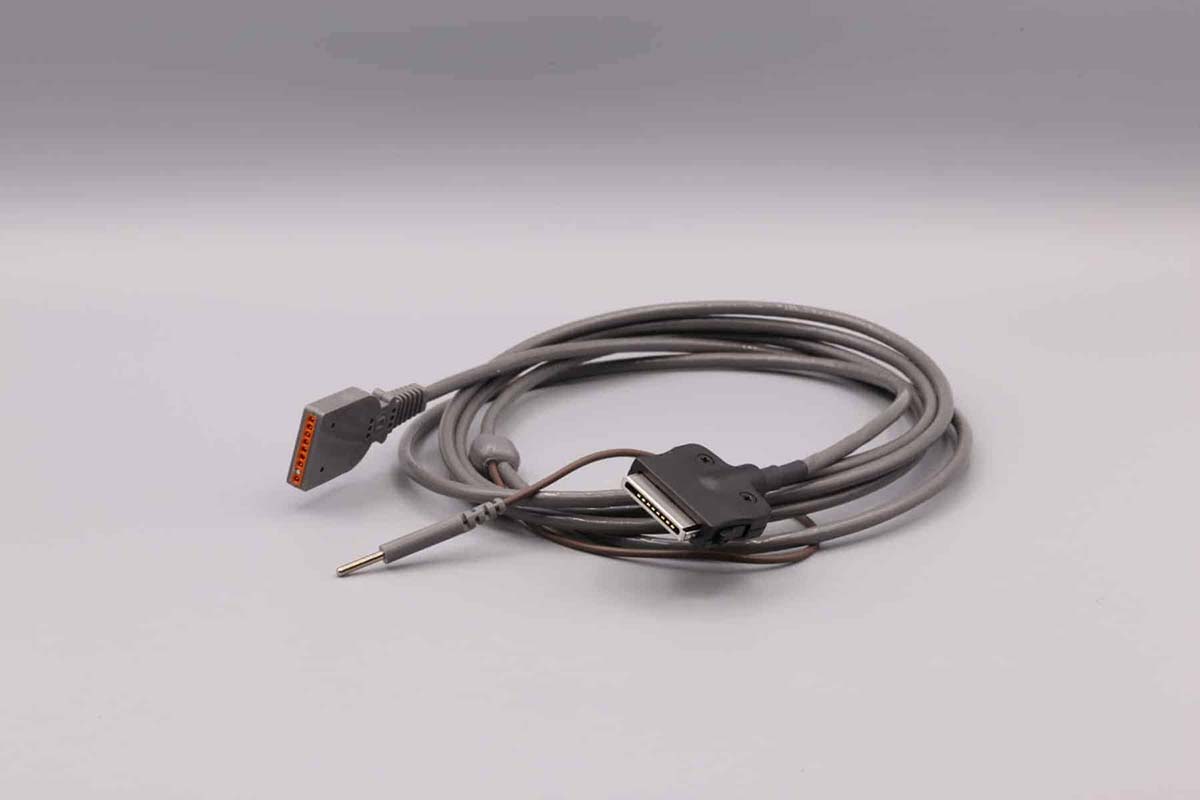
We teamed up with a group of scientists at Case Western Reserve University to help develop a medical-grade cable assembly to help restore movement in patients who suffered spinal cord injuries.
Overview
A group of scientists were working on a program to help restore function to extremities of patients who have suffered spinal cord injuries. Some problems with the customer’s original cables were:
- Cable jacket materials were drying out and cracking.
- The wire inside the jacked was breaking over a short period of time.
Challenge
The cables were being worn by the patient with direct contact to the skin. The drying and cracking was caused by the fact that over time, when standard PVC coated wire is in direct contact with human skin, the oils from the PVC will leech out of the cable jacket and cause the PVC to dry out and crack. The second point of failure was due to excessive flexing by the patients as well as the doctors. Most of the patients were confined to wheelchairs. With standard PVC jacketed material attached directly to the patient’s skin, there was some discomfort and irritation experienced by the patient. In some cases cables were getting caught in the wheelchair wheels and breaking.
Solution
ISL did research on the issues described by the doctors and made some key changes in the construction of the cable. We changed out the standard grade PVC to a medical grade PVC, which was suitable to be worn on the skin. This improved the comfort level of the patient and eliminated the cracking and drying out of the PVC jacket material. To improve the strength and flexibility of the cable, we changed out the typical 19 strands of copper wire and replaced them with the highly flexible and stronger 44 strands of a cadmium copper.
Conclusion
ISL addressed the cracking, drying, and wire breakage problems affecting the patient cables used in this spinal cord injury research program. By switching to a medical grade PVC jacket, ISL eliminated the skin irritation and material degradation caused by standard PVC in direct contact with the body. Replacing the original 19 strand copper wire with 44 strands of cadmium copper gave the cable the flexibility and strength needed to withstand constant movement from wheelchairs and daily patient use. This project shows how ISL can re-engineer cable construction to meet the demanding comfort, durability, and safety requirements of medical research applications.
